01
Ovens and thermal processes
Heat from the exhaust gases feeds your ovens and cuts the fuel you buy for them.
Three metalworking companies in Nuevo León use it this way
With cogeneration, the engine’s heat reaches your processes as hot water and hot air at the same time. With trigeneration, we also turn it into chilled water by absorption. It adds to any scheme and puts up to 89.9% of the energy to use.
We use the engine’s heat directly: hot water from the cooling circuit and hot air from the exhaust gases, at the same time.
On top of the heat, an absorption chiller turns part of it into chilled water for your process, without spending electricity on cooling.
A natural gas engine turns about 41% of the fuel’s energy into electricity. The rest leaves as heat, and a conventional plant throws it away. A cogeneration plant recovers that heat and delivers it to your process: total use of the gas reaches up to 89.9%.
So with the same gas you get your electricity and cut the fuel you burn today in boilers, ovens or heaters. Your boilers stay as backup.
A standard generator turns about 41% of the gas’s energy into electricity; the rest is lost as heat. We recover it two ways at once, hot water and hot air, and with absorption we also turn it into cooling.
For your entire plant
From the engine’s cooling circuit, for your processes and services
At the same time, exhaust heat feeds ovens and dryers
An absorption chiller turns the heat into chilled water for your process
Heat from the exhaust gases feeds your ovens and cuts the fuel you buy for them.
Three metalworking companies in Nuevo León use it this wayHeat from the engine’s cooling circuit heats your operation’s water while the exhaust feeds your ovens.
Two hotels use it this way: MXN $1 M (about US$50,000) saved per month at eachAn absorption chiller uses the engine’s heat, instead of electricity, to chill water and deliver it to your process.
When the heat is recovered, efficient cogeneration is considered clean energy under Mexico’s Electricity Industry Law.
in operation across three companies in the same industry, supplying electricity and heat for their ovens.
in monthly savings at each hotel (about US$50,000), thanks to cogeneration.
Straight answers, no fine print. If your case is different, an engineer will walk you through it with your power bill in hand.
Ask an engineerIt is a system that produces electricity and useful heat at the same time from the same natural gas. The engine generates your plant’s electricity, and the heat that used to be wasted is recovered for your processes instead of being bought separately.
A natural gas engine turns about 41% of the fuel’s energy into electricity. With cogeneration the heat is recovered too, and total use can reach 89.9%.
From your heat demand, not just your electricity. We review your power bills, your gas use in boilers and ovens, and the hours when you need both at once. A system larger than your heat demand wastes the advantage.
They stay as backup. The engine’s heat is tied into your process through heat exchangers, without affecting your current operation.
If you currently use gas, diesel or electricity to heat water, air or your ovens, very likely yes. The engine delivers heat two ways at once: hot water and hot air from the exhaust gases. We review it at no cost as part of your power bill analysis.
Cogeneration uses the engine’s heat directly, as hot water and hot air. Trigeneration also produces cooling: an absorption chiller turns the heat into chilled water for your process.
Yes. Cogeneration and trigeneration can be added to a PPA, an equipment purchase or a rental.
Yes. When the heat is recovered, efficient cogeneration is considered clean energy under Mexico’s Electricity Industry Law.
No, and we recommend you don’t. CFE is Mexico’s state-owned utility. Your plant runs first on the energy we generate, and the grid stays as a complement and backup. If CFE has no capacity for you, the generators can run without it.
It comes after measuring, correcting, reducing and generating your own power; then comes monitoring, so the savings hold. We walk the whole path with you.
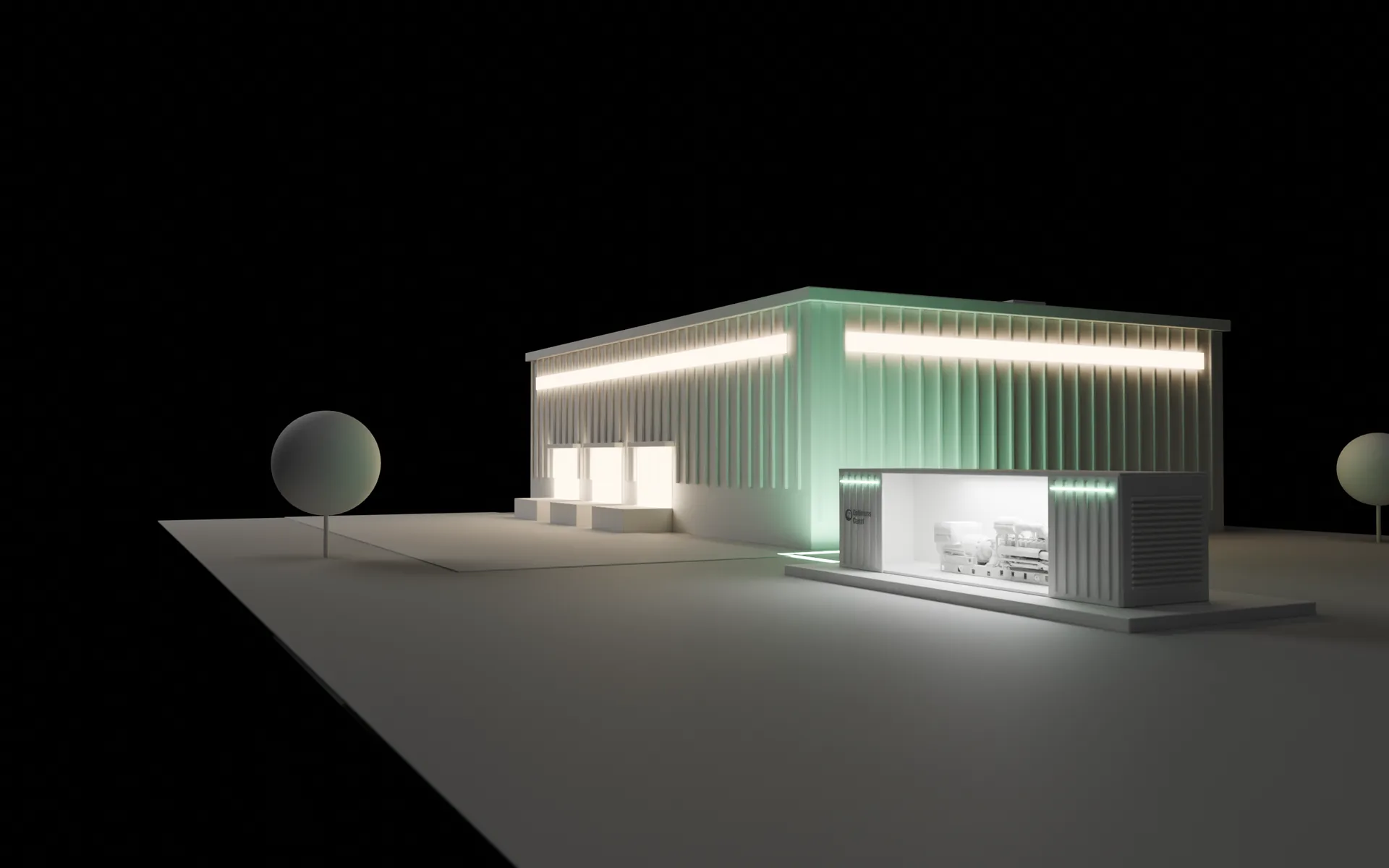
Power purchase agreement (PPA) with zero capital investment. We install and operate the system at your plant; you pay only for the energy, below your CFE rate.
Learn more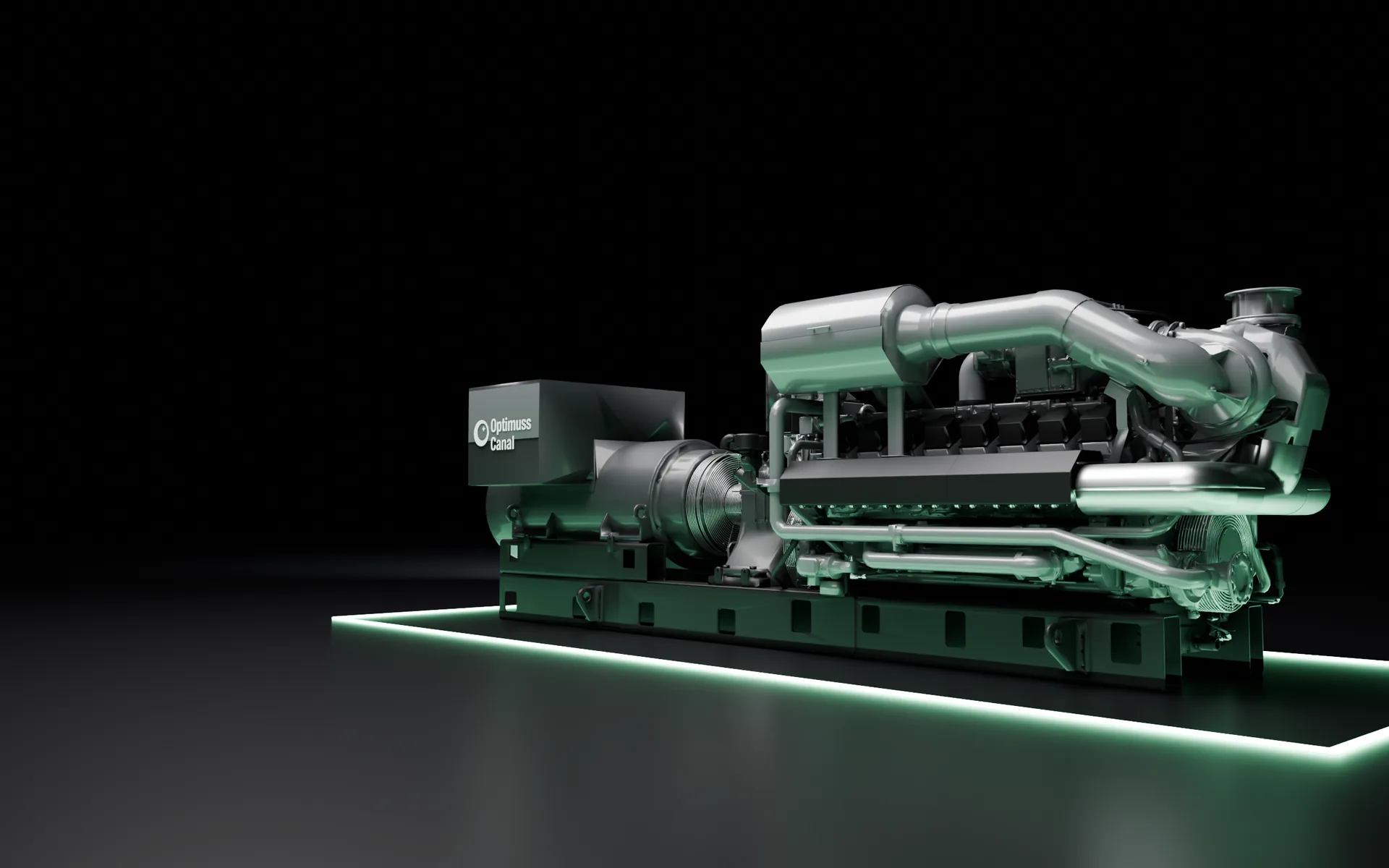
You own the equipment. You pay only for the gas and maintenance behind each kWh you generate.
Learn more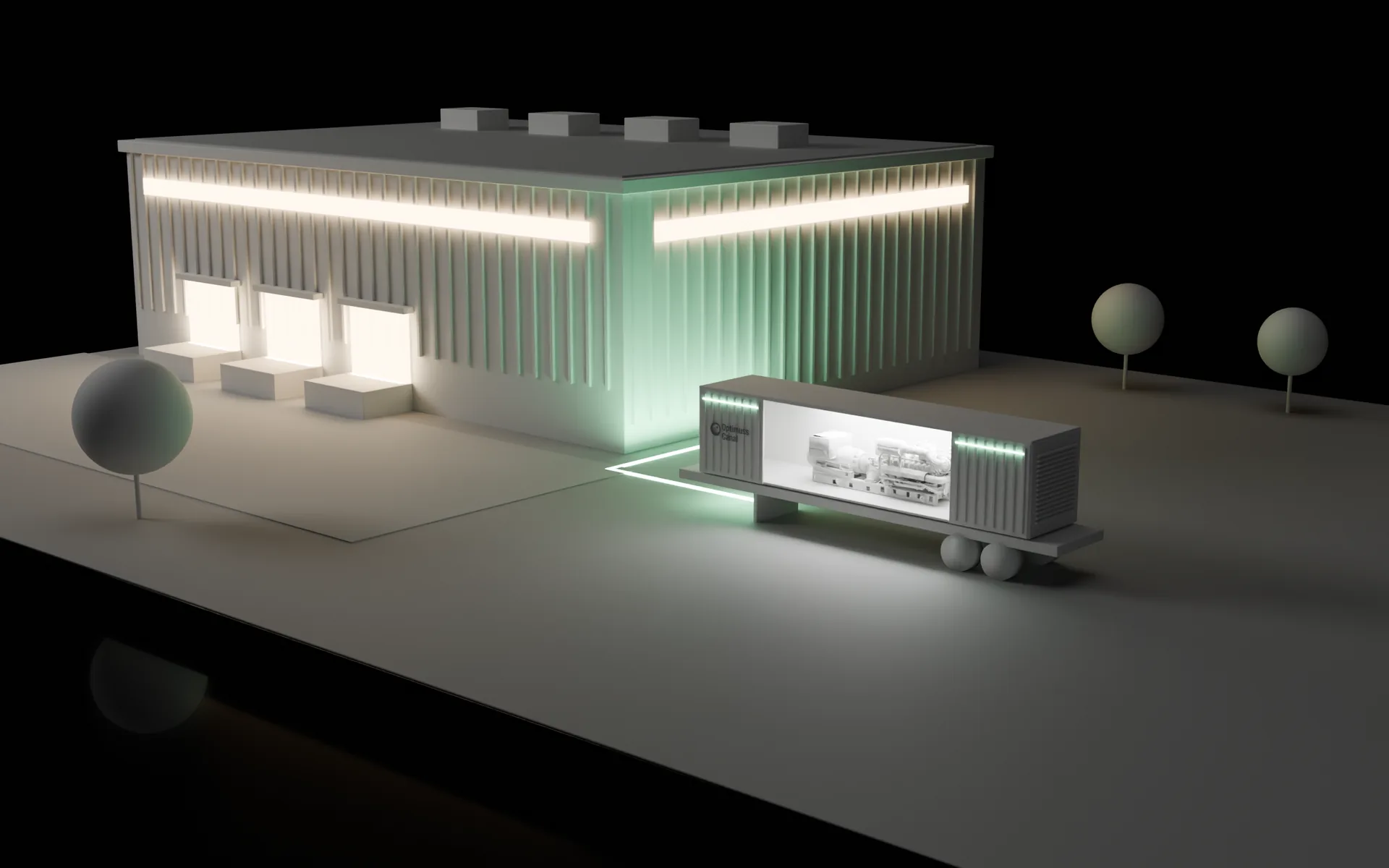
Your own generation without buying the equipment. A modular, ready-to-install system, with contracts from 3 years.
Learn moreTell us about your operation in three steps. An engineer reviews your consumption profile and delivers a free energy analysis.